People often turn to quotes for wisdom, inspiration, or a moment of clarity. But what happens when a punchline carries more truth than a proverb? Jack Whitehall’s now-iconic quote—“I’m sure wherever my dad is, he’s looking down on us. He’s not dead, just very”—is more than a viral comedy moment. It’s a lens into modern work culture, the performance of honesty, and the absurd lengths we go to appear emotionally evolved.
On the surface, it’s a joke. But unpacked, it reveals discomfort, denial, and the awkward dance of modern human connection—all delivered with the precision of a stand-up veteran. This isn’t just comedy. It’s commentary.
The Anatomy of a Comedy Truth Bomb
Jack Whitehall delivers this line in his signature style: posh, polished, and painfully self-aware. The setup is simple—invoke a cliché about a deceased loved one “looking down on us”—then undercut it with a reality check: “He’s not dead, just very…” The pause is everything. The implication? His father is alive, judgmental, and probably watching from the next room with a raised eyebrow.
But the brilliance lies in how it mirrors real-life behavior. How many times have we used spiritual or emotional platitudes to mask tension? To avoid confrontation? Whitehall weaponizes the cliché to expose it.
Real-world parallel: At a corporate retreat, someone says, “I feel like we’re all family here.” The room smiles. But privately, team members dread the passive-aggressive Slack threads and unpaid overtime. Like Whitehall’s joke, the phrase sounds warm—but the subtext screams dysfunction.
The quote works because it’s almost sincere. That near-miss is where modern humor—and insight—lives.
Honesty as Performance in the Age of Relatability
We live in an era that fetishizes authenticity. Influencers “keep it real.” CEOs share “vulnerable” LinkedIn posts. But true honesty—like Whitehall’s fake-eulogy, real-dad bit—is rare.
Most public honesty is curated. It’s honesty adjacent. We confess minor flaws to seem approachable (“I’m so bad at mornings!”) while hiding real issues (burnout, insecurity, mismanagement). Whitehall, conversely, uses fiction to tell a deeper truth: families—and workplaces—are full of people who are present but emotionally distant.
Workplace example: A manager says, “We’re all in this together,” during layoffs. The phrase is meant to comfort. But if severance packages are thin and exit interviews feel like interrogations, the words ring hollow. Whitehall’s quote mocks this exact dissonance—saying the sacred when the secular is still very much alive and judging.
The lesson? Stop performing honesty. Start practicing it.
Three signs you’re faking emotional openness: - You use humor to deflect real conversation - You default to clichés in tough moments - You say “we’re like a family” but enforce rigid boundaries
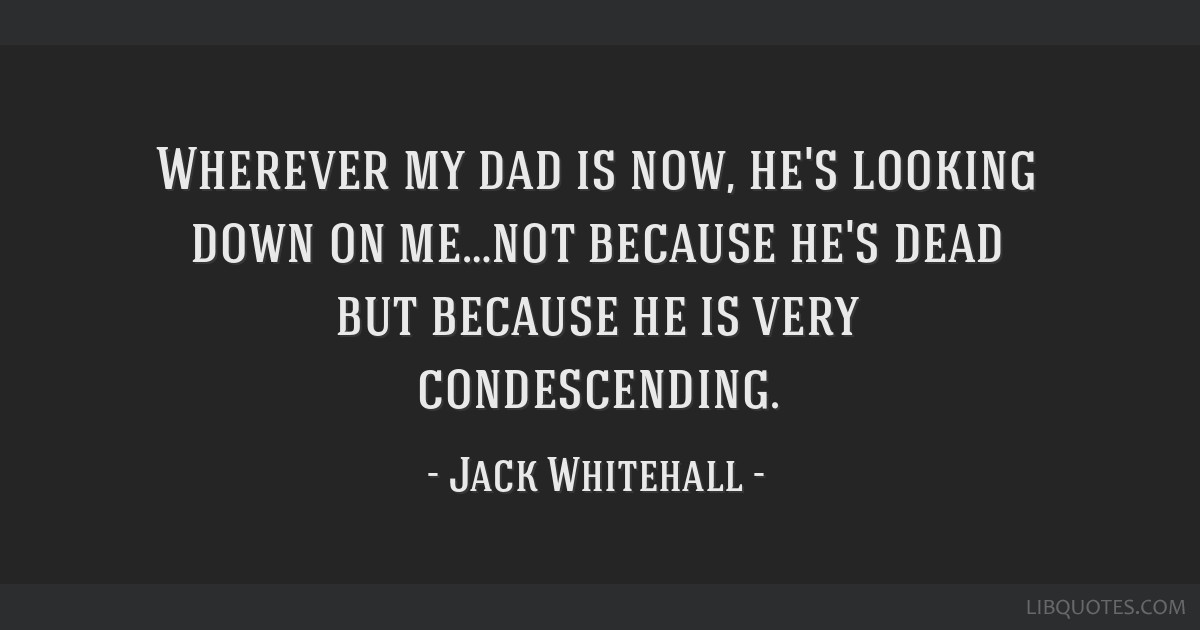
Whitehall’s joke is a mirror. Are we honoring presence—or just pretending to?
Work Culture: When Hierarchy Pretends to Be Flat
Whitehall’s relationship with his father—chronicled in Travels with My Father—is one of formality, awkwardness, and unspoken expectations. His dad, Michael Whitehall, is a veteran talent agent: sharp, reserved, old-school. Their dynamic is less Heartwarming Father-Son Reunion, more British Stiff Upper Lip: The Series.
But that relationship is a perfect metaphor for outdated work cultures masquerading as progressive.
Many companies claim flat hierarchies but operate on silent power structures. Titles are downplayed, but access to decision-makers isn’t equal. Open-door policies exist—until you actually walk through the door.
Case in point: A startup founder says, “Call me by my first name!” But when an intern suggests a process change in a meeting, the idea is ignored—until a senior exec repeats it 20 minutes later.
Sound familiar?
Like Michael Whitehall silently observing his son’s antics, many leaders create the illusion of openness while maintaining rigid control. They’re “not dead, just very” involved—hovering, judging, but never fully engaging.
Whitehall’s joke exposes the absurdity of this performance. We don’t need leaders who pretend to be gone. We need ones who are present—engaged, responsive, and willing to be seen.
Human Nature: Our Love Affair
with Denial
Why does this quote resonate so deeply?
Because denial is a universal coping mechanism. We use it to soften blows, maintain appearances, and avoid uncomfortable truths.
When Whitehall says his dad is “looking down on us,” he invokes a spiritual trope we all recognize. Then he pulls the rug out: Nope, he’s just upstairs, probably judging your posture.
It’s funny because it’s true. Denial isn’t just for grief. We deny: - Our parents’ flaws - Our boss’s incompetence - Our own burnout
And we do it with language. Euphemisms. Jokes. Spiritual metaphors.
Common denials in professional life: - “We’re restructuring” = “We’re downsizing, and your role is gone” - “Let’s circle back” = “I’m ignoring this” - “He’s a character” = “He’s toxic, but we tolerate him”
Whitehall’s line is a masterclass in calling out the gap between what we say and what we mean. It’s not just comedy. It’s cognitive cleanup.
Comedy as a Tool for Cultural Diagnosis
Great comedians don’t just make us laugh—they make us notice.
Lenny Bruce exposed repression through obscenity. George Carlin dissected language to reveal control. Dave Chappelle unpacks race and power with surgical precision.
Jack Whitehall operates in a subtler lane. He uses his own privileged background—the posh accent, the dandy wardrobe, the awkward dad—to highlight emotional repression in British (and global) culture.
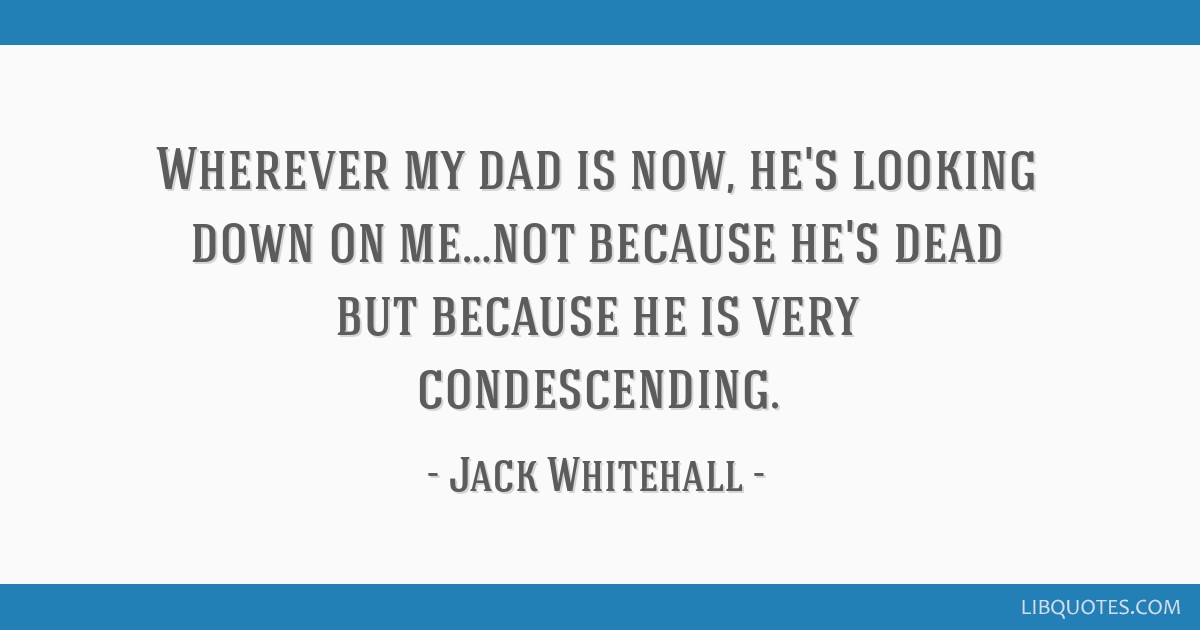
His “looking down on us” joke isn’t just about family. It’s about how institutions—corporate, familial, social—use ritual to avoid real conversation.
Example in action: At a team offsite, the facilitator says, “Let’s honor those who are no longer with us.” Everyone nods solemnly. But the real “absent” person? The manager who ghosted the project three months ago but still collects a salary.
We eulogize the physically absent to avoid confronting the emotionally absent.
Whitehall’s comedy forces us to see the living ghosts in the room.
Applying the Whitehall Lens: Practical Takeaways
You don’t need to be a comedian to use this insight. But you do need to be observant.
Here’s how to apply the “Whitehall Principle” to your daily life and work:
#### 1. Audit Your Language Track how often you use spiritual or emotional clichés to avoid directness: - “They’re in a better place” (when the real issue is unresolved conflict) - “It is what it is” (when you’re avoiding responsibility)
Replace them with specificity: - Instead of “It is what it is,” try: “I don’t know how to fix this yet, but I’m working on it.”
#### 2. Name the Living Ghosts In meetings, ask: - Who’s physically here but emotionally absent? - Who has influence but refuses to engage?
Then address it—diplomatically but directly.
#### 3. Normalize Awkwardness Whitehall’s humor thrives on discomfort. So does growth.
Create space for: - Honest feedback (“That presentation missed the mark”) - Emotional transparency (“I’m overwhelmed this week”) - Hierarchical honesty (“You’re my boss, but that idea won’t work”)
The goal isn’t to be rude. It’s to be real.
#### 4. Laugh at the Performance When someone says, “We’re like family,” gently ask: “And if we were a family, what kind of family would we be?”
You’ll either get a thoughtful answer—or silence. Both are revealing.
Why This Joke Will Outlive the Moment
Trends fade. Memes die. But cultural observations—especially when wrapped in humor—endure.
Jack Whitehall’s “looking down on us” line will likely be quoted for years, not because it’s shocking, but because it’s recognizable. It captures the absurdity of modern emotional labor: we’re expected to be spiritual, supportive, and evolved—even when the person we’re pretending to mourn is just in the other room, sipping tea and side-eyeing our life choices.
It’s a reminder that honesty doesn’t have to be grim to be powerful. Sometimes, it’s funnier.
And in an age of polished personas and performative vulnerability, that kind of honesty is revolutionary.
Final Thought: Don’t wait for people to die to speak truthfully about them. Don’t invoke the divine to avoid the difficult. And don’t mistake silence for peace.
Use humor if you must—but make it pointed. Make it real.
Because the best quotes aren’t the ones that comfort us.
They’re the ones that catch us in the act of pretending.
Frequently Asked Questions
What is Jack Whitehall’s quote about his dad? The quote is: “I’m sure wherever my dad is, he’s looking down on us. He’s not dead, just very…” It’s a comedic twist on the cliché of a deceased loved one watching over us, highlighting his father’s ever-present, judgmental nature.
Where did Jack Whitehall say this quote? It originated in his stand-up specials and was popularized through performances and Netflix’s Travels with My Father, where his strained yet loving relationship with his father is a central theme.
Is Jack Whitehall’s dad actually alive? Yes, Michael Whitehall is alive. The humor comes from subverting the expectation that someone “looking down on us” is deceased.
What does the quote say about British culture? It critiques British emotional repression—the tendency to avoid directness, use irony as a shield, and maintain formality even in intimacy.
How can this quote apply to workplace communication? It illustrates how people use vague, spiritual language to avoid honest feedback. In work settings, it warns against performative unity and encourages direct, authentic dialogue.
Why is this quote considered insightful, not just funny? Because it uses humor to expose universal behaviors: denial, emotional distance, and the gap between what we say and what we mean.
Can comedy reveal truths about human nature? Absolutely. Comedians like Whitehall act as cultural observers, using jokes to spotlight hypocrisy, denial, and social norms in ways that lectures or essays often can’t.
FAQ
What should you look for in Jack Whitehall's Quote of the Day: A Masterclass in Humor and Honesty? Focus on relevance, practical value, and how well the solution matches real user intent.
Is Jack Whitehall's Quote of the Day: A Masterclass in Humor and Honesty suitable for beginners? That depends on the workflow, but a clear step-by-step approach usually makes it easier to start.
How do you compare options around Jack Whitehall's Quote of the Day: A Masterclass in Humor and Honesty? Compare features, trust signals, limitations, pricing, and ease of implementation.
What mistakes should you avoid? Avoid generic choices, weak validation, and decisions based only on marketing claims.
What is the next best step? Shortlist the most relevant options, validate them quickly, and refine from real-world results.