A pair of running shoes that weigh less than a bar of soap is no longer science fiction—it’s race day reality. These featherweight marvels have become the unsung catalysts behind historic marathon breakthroughs, helping elite runners slice seconds off personal bests and shatter world records. The secret isn’t just in the athlete’s training or willpower. It’s stitched, glued, and engineered into every ounce of foam and fiber in their soles.
The phrase “lighter than a bar of soap” isn’t poetic exaggeration. It’s a benchmark. A standard. Today’s top marathon racing shoes hover around 6 to 7 ounces (170–200 grams) for men’s size 9—lighter than most hotel soap bars, which average 80–100 grams but often feel heavier due to density. These shoes don’t just reduce weight; they amplify energy return, refine gait efficiency, and redefine what’s possible over 26.2 miles.
But how do they work? Who’s behind them? And are they delivering real performance—or just hype?
Why Weight Matters More Than You Think
Every ounce counts when you’re taking thousands of strides. The physics is simple: lighter shoes reduce the energy cost of each stride. Research from Medicine & Science in Sports & Exercise confirms that for every 100 grams (about 3.5 oz) removed from a shoe, oxygen consumption drops by roughly 1%. That may seem minor, but over a marathon, it translates into real-time savings—up to 2–3 minutes for elite runners.
But lightweight doesn’t mean flimsy. The best racing shoes balance minimal mass with propulsion. Early attempts at ultra-light designs failed because they sacrificed cushioning or durability. Today’s champions like the Nike Alphafly and Adidas Adios Pro series use advanced materials that offer both featherweight construction and high energy return.
Take Eliud Kipchoge’s sub-two-hour marathon attempt in 2019. His custom Nike Alphafly prototypes were engineered to be as light as possible while incorporating carbon fiber plates and ZoomX foam. The result? Shoes that felt like an extension of his stride—responsive, stable, and nearly weightless.
The Technology Inside: Foam, Plates, and Aerodynamics
Modern record-shattering shoes rely on three key innovations: supercritical foam, carbon fiber propulsion plates, and aerodynamic uppers.
Supercritical Foam: The Spring in Every Step
Nike’s ZoomX foam—developed from NASA-inspired midsole technology—is the gold standard. It offers up to 85% energy return, meaning most of the force from footstrike is bounced back into forward motion. That’s rare in traditional EVA foams, which return about 60%.

Brands like Adidas (Lightstrike Pro), Puma (Nitro Elite), and Saucony (PWRRUN PB) have developed competing foams with similar rebound properties. These materials are not only lighter but also less dense, reducing overall shoe weight without compromising cushioning.
Carbon Fiber Plates: The Secret Weapon
Embedded within the midsole, a curved carbon fiber plate acts like a spring-loaded lever. It stabilizes the foot, reduces muscle fatigue, and promotes a smooth toe-off. Think of it as a mini catapult with every step.
The plate doesn’t add much weight—just a few grams—but it transforms how the shoe performs. Studies show runners using plated shoes can maintain pace with lower perceived effort. That’s critical in the final miles of a marathon when fatigue sets in.
Aerodynamic Uppers: Cutting Air Resistance
Even the upper—the fabric covering the foot—has been reengineered. Seamless, heat-welded mesh reduces drag and eliminates hot spots. Some models, like the ASICS METASPEED Sky, use wind tunnel testing to refine the shoe’s profile, minimizing air resistance over long distances.
Who’s Breaking Records—and What Are They Wearing?
Elite marathoners aren’t just training harder; they’re wearing smarter. A quick look at recent record-breaking performances reveals a common thread: specialized racing shoes engineered for speed.
- Eliud Kipchoge – Wore custom Nike Alphafly during the INEOS 1:59 Challenge. The shoes featured exaggerated stack height, dual carbon plates, and a forefoot Zoom Air unit.
- Tigist Assefa – Set the women’s world record (2:11:53) at the 2023 Berlin Marathon wearing Adidas Adizero Adios Pro 3.
- Kelvin Kiptum – Broke the men’s official world record (2:00:35) in Chicago, racing in Nike Alphafly 3.
These athletes aren’t just beneficiaries of technology—they’re partners in its development. Shoe companies work directly with elite runners, using biomechanical data and feedback to refine prototypes. The result? Footwear customized to gait patterns, stride length, and even race conditions.
But are these shoes only for elites?
From Elite to Everyday: Can Amateurs Benefit?
Yes—but with caveats. Recreational runners can benefit from lightweight, plated racing shoes, especially on race day. However, the return on investment depends on fitness level, running mechanics, and intended use.
For sub-3:30 marathoners, shoes like the Nike Vaporfly Next% or Saucony Endorphin Pro can deliver tangible gains. A 2022 study published in Sports Medicine found that amateur runners wearing carbon-plated shoes improved 10K times by an average of 1.5–2.5%.
But for beginners or high-mileage trainers, these shoes pose risks: - Reduced stability on uneven terrain - Increased strain on Achilles and calves due to aggressive rocker geometry - Higher cost—often $250+
The key is context. These shoes shine in races, not daily training. Use them strategically.
The Lightest Marathon Shoes on the Market
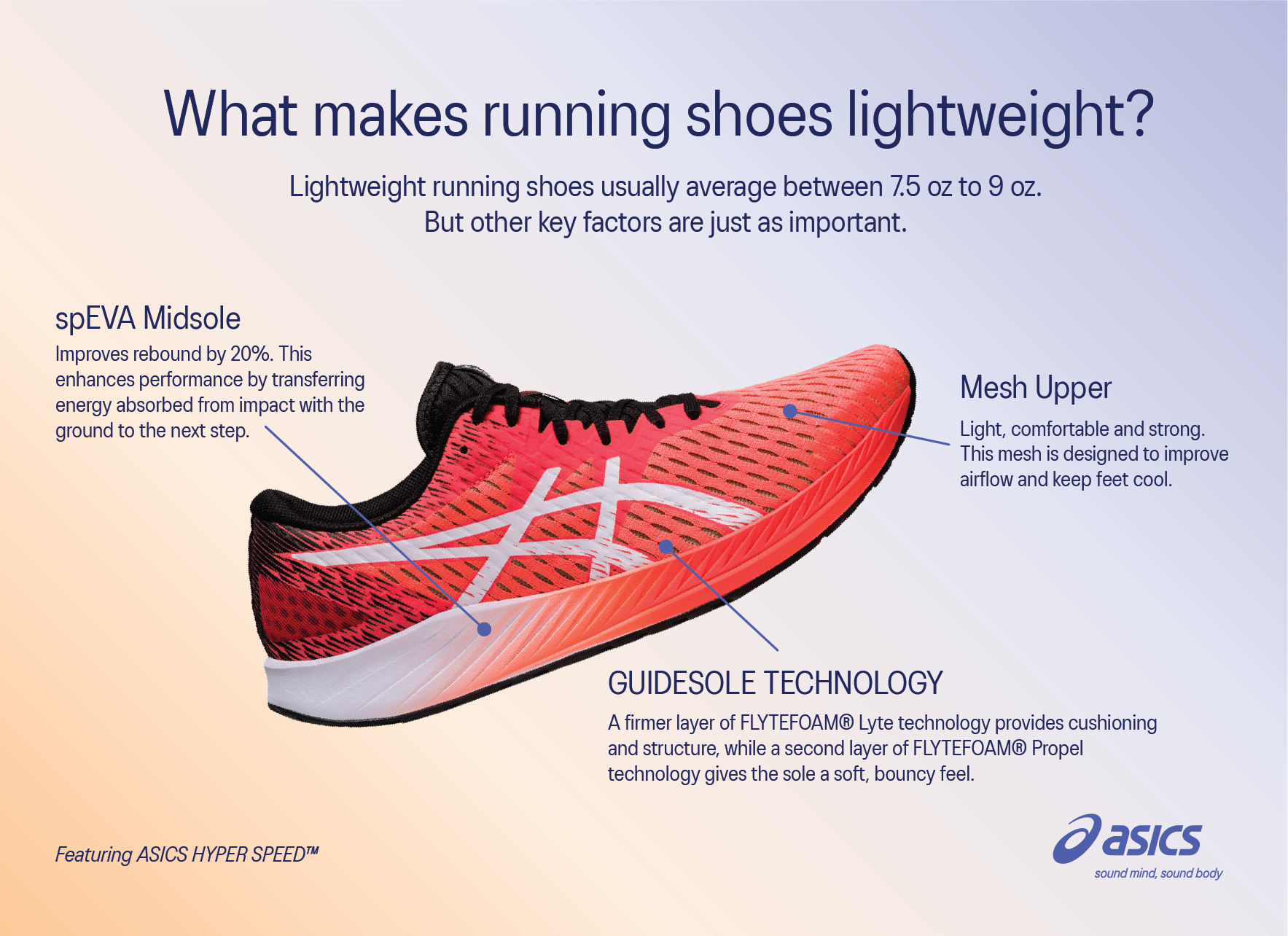
Not all racing shoes are created equal. Some prioritize cushioning, others pure lightness. Below are five of the lightest, most performance-proven marathon shoes—each under 7 ounces for men’s size 9.
| Shoe Model | Weight (oz) | Key Technology | Best For |
|---|---|---|---|
| Nike Alphafly 3 | 6.1 oz | ZoomX foam, dual carbon plates, forefoot Air unit | Elite racers, record attempts |
| Adidas Adios Pro 3 | 6.3 oz | Lightstrike Pro foam, EnergyRods 2.0 | Fast marathons, energy efficiency |
| Saucony Endorphin Elite | 6.4 oz | PWRRUN PB foam, carbon plate | Sub-3 marathoners |
| Puma Deviate Nitro 2 Elite | 6.7 oz | Nitro Elite foam, ProForm Carbon Plate | Speedwork and races |
| New Balance FuelCell RC Elite v2 | 6.9 oz | FuelCell foam, carbon plate | Balanced speed and comfort |
All five weigh less than a standard bar of soap and are built for one purpose: speed over long distances.
The Limits of Lightweight Design Despite their advantages, ultra-light racing shoes have limitations.
First, durability. These shoes are not built to last. Most elite runners retire theirs after 100–150 miles. The foam degrades, and the plates can delaminate. They’re race-day weapons, not training partners.
Second, regulation concerns. World Athletics has imposed rules on shoe technology: stack height capped at 40mm, only one rigid plate allowed. These rules aim to preserve fairness, but the debate continues. Are we racing athletes—or shoe tech?
Third, accessibility. At $250+, these shoes are out of reach for many runners. And even if affordable, they require a certain level of strength and form to use safely. Poor form in a highly responsive shoe can lead to injury.
How to Use These Shoes Wisely
To maximize benefits and minimize risk: - Save them for race day and key workouts. Use durable trainers for daily miles. - Break them in gradually. Run 3–5 miles in them before race day. - Match the shoe to your goal. A 3:30 marathoner might not need Alphaflys—Vaporflys or Endorphin Pros may suffice. - Prioritize fit. A shoe that’s too tight or too loose negates any tech advantage.
The Future of Lightweight Marathon Footwear
Expect even lighter, smarter designs. Brands are experimenting with bio-based foams, 3D-printed midsoles, and adaptive materials that respond to pace and terrain. Nike’s “Project Pegasus” prototypes have tested shoes under 5 ounces—nearly half the weight of a bar of soap.
But innovation won’t stop at weight. Shoes may soon integrate real-time feedback, adjusting cushioning mid-run or syncing with wearables to optimize performance.
Still, one truth remains: technology enhances—but doesn’t replace—human effort. The shoes may be lighter than soap, but the records are built on years of discipline, pain, and relentless pursuit of the impossible.
Final Step: Choose Your Weapon, Then Run
The next time you line up at a starting corral, remember: the edge might not come from another long run or an extra plank. It could come from a pair of shoes—lighter than a bar of soap—designed to propel you farther, faster, and smoother than ever before.
Find the right shoe. Train smart. And let the miles speak for themselves.
FAQ
What does “lighter than a bar of soap” mean in running shoes? It refers to racing shoes weighing under 7 ounces—less than the average hotel soap bar—making them exceptionally light for marathon performance.
Which marathon shoes are lighter than a bar of soap? Models like the Nike Alphafly 3, Adidas Adios Pro 3, and Saucony Endorphin Elite all weigh under 7 ounces for men’s size 9.
Do lightweight racing shoes really improve performance? Yes—studies show they reduce energy cost and improve running economy, often leading to faster race times.
Are carbon-plated shoes worth it for amateur runners? For sub-3:30 marathoners, yes. For beginners, they may increase injury risk if not used properly.
How long do ultra-light racing shoes last? Typically 100–150 miles. They’re designed for races, not daily training.
Can lightweight shoes cause injuries? If used improperly—such as in long training runs or without adequate calf strength—they can contribute to Achilles or calf issues.
Are all record-breaking marathon shoes made by Nike? No—while Nike dominates headlines, Adidas, Saucony, and Puma have also produced record-eligible shoes used in elite performances.